
A Guide On How Long Travel Fatigue Can Last With Solutions
 by Richard Janvrin,
January 08, 2026
by Richard Janvrin,
January 08, 2026
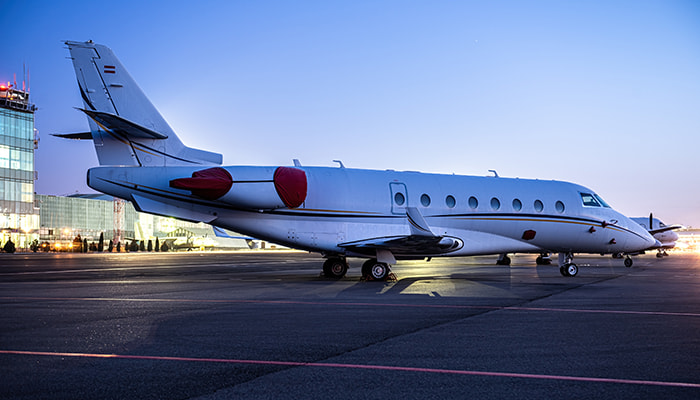
While air travel is one of the most impressive feats of humankind, we all know it comes with its share of jet lag recovery and other travel fatigue symptoms.
That said, most of us travel only a few times a year. For a professional athlete, this can occur almost daily, depending on what sport they play.
This could also include international travel. In fact, travel can be part of the equation when determining odds at NFL betting sites, especially for teams flying from an opposite coast.
Here, we’ll aim to answer questions like “how long can travel fatigue last?” and also examine tips and tricks on how to recover from travel fatigue.
- Travel Fatigue Meaning and Symptoms
- How Long Can Travel Fatigue Last?
- How to Recover from Travel Fatigue
- Preventing Fatigue and Staying Healthy During Travel
- Be Aware of Travel Fatigue
Travel Fatigue Meaning and Symptoms
“Travel fatigue meaning” can mean different things to different people, but a general definition is exhaustion from a long journey. This is different from jet lag, which involves crossing time zones, while travel fatigue can occur regardless of whether you are traveling across time zones.
“Travel fatigue refers to exhaustion and tiredness associated with any long journey following trans-latitudinal travel (north–south/south–north) or transmeridian travel. It is a complex summation of physical, physiological and psychological factors that accrue during an individual trip, and could accumulate over a competition season,” a study titled “Managing Travel Fatigue and Jet Lag in Athletes: A Review and Consensus Statement” writes.
It’s not exactly relaxing to sit in a small/confined space that disrupts your routine and could lead to dehydration.
Athletes may experience symptoms such as being consistently tired, being more likely to get sick, or mood/behavior changes.
The player may feel stiff after not moving for an extended period.
As for jet lag, it can throw a player off, as you’re changing time zones, and it can severely alter sleep schedules. So, how to recover from travel fatigue? A good night’s sleep. How long can travel fatigue last? Hopefully, just until you’ve had that quality sleep.
Jet lag is a bit different as it can persist even longer.
That’s why, in cases like the NFL, when they play in England or Ireland, they’ll get there a week early to get acquainted with the clock and get their sleep schedules on track before attempting to compete. If they were to just fly over a day or so before the game, this could severely impact their timeline.
How Long Can Travel Fatigue Last?
As mentioned above, answering the question “How long can travel fatigue last?” should be fairly straightforward: One night of quality sleep to get back on track.
That said, this is something athletes and team trainers prepare for: A recovery window. They know that an athlete’s body needs time to bounce back.
Again, if no time zones are crossed, it’s typically just a 24-hour thing. However, should there be jet lag involved, the general rule of thumb is one day per time zone crossed. It’s also believed that traveling east is harder than traveling west.
Something else athletes have to be wary of is cumulative travel fatigue. In sports like the NBA and NHL, where there are more than 80 games, and the MLB, where there are 162 regular-season games, these players are traveling almost constantly.
That’s why, when you see analysis in the NBA commenting on teams on a “back-to-back” that includes the travel, and adding to the answer of “travel fatigue meaning.”
The fact of the matter is that, while a doctor may recommend a necessary period of getting back on track, that’s not always possible due to the schedule.
How to Recover from Travel Fatigue
Along with looking for information about “travel fatigue meaning,” something else to consider is solutions and how to recover.
The No. 1 way to recover is getting quality sleep. This means that athletes, after getting off a plane, should prioritize a night of sleep in a dark, cool room. Additionally, proper nutrition and adequate hydration are a must. Many planes will have dry air, which can contribute to dehydration. Of course, at the highest level of professional sports, there are private jets which allow for more comfort, meals, and drinks, but it’s still something to consider.
Another solution could be light exposure from the sun. There are times to seek it out and others when you should stay away. The goal is to adapt to the region you’re in, and that includes getting outside at proper hours.
You also want to move around and stretch. After sitting down on a plane, moving around and getting the blood flowing will help with circulation and limit muscle stiffness.
In some other cases, massages and other physiotherapy could be warranted.
By combining this full regimen, it won’t completely eliminate everything, but it will mitigate it as much as possible.
Preventing Fatigue and Staying Healthy During Travel
To help prevent fatigue as much as possible, teams take proactive measures to keep their athletes in tip-top shape.
This includes pre-flight prep, such as encouraging players to get onto a plane well-rested or training the intensity of training before getting on a flight. Players and teams avoid red-eye flights at any means necessary.
While on the plane, players stay hydrated and limit things like caffeine and alcohol.
For players who attempt to sleep on the plane, they generally use things like noise-canceling headphones, eyemasks, or even neck pillows.
It’s also common for athletes to wear compression socks during travel to help keep blood flowing properly.
With all of these techniques, again, it cannot 100% prevent it, but it can help players adjust as fast as possible to the travel schedule.
Be Aware of Travel Fatigue
While we focused on athletes, these “how to recover from travel fatigue” tips could help you, too, whether you’re traveling for a vacation, work, or something else. Travel fatigue hits everyone, and if possible, preparing before the flight and knowing what to do after the flight will help make the transition from travel to feeling rested and “normal,” which will help you and professional athletes in the long run and help avoid making your next trip one where you’re constantly tired and unable to enjoy the experience.
As for athletes, these preparations will help them stay sharp on the field or court night in, night out.