
As NFL Teams Unveil Mega-Stadium Plans, a Debate Grows: Upgrade or Preserve?
 by Kobey Ronk,
November 25, 2025
by Kobey Ronk,
November 25, 2025
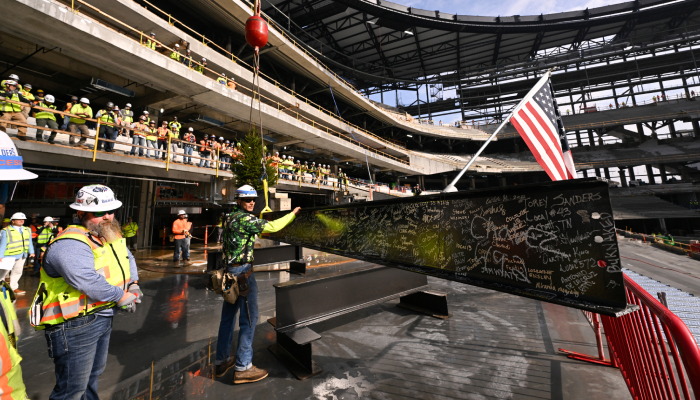 Source: AP Photo
Visiting many football stadiums across my lifetime, it’s easy to say that some organizations, both college and professional, do a better job of keeping their stadium updated than the other. In the college football world, the expectation is lower. The teams are older, the stadiums are older and larger with more cultural significance, and they aren’t treated as an asset to maximize revenue. This is a win for the college football world, especially for your die hard fans. On the other hand, the recent stadiums being built by NFL teams are a spectacle of modern sports architecture. Look at Sofi Stadium, U.S. Bank Field, and Allegiant Stadium. All three stadiums stand out for their insane build and premium amenities. Washington D.C. just announced their plans for the new stadium, while Jacksonville (renovation), Buffalo, Cleveland, and Tennessee are currently working on theirs. There are pros and cons of building new stadiums, and we’re going to dive deep into this debate of why it’s important to preserve where you play, while it’s also important to upgrade.
The Pro’s
The pros of building a new stadium are pretty straightforward:
- Premium seating.
- Nicer facilities.
- Better concessions.
- Economic boost in the local community.
- Attracts more events (concerts, Final Four, Super Bowl, etc).
- For some teams like the Commanders, it’s a major upgrade from the dump you’ve been playing in for years.
Walking into a new stadium like Mercedes Benz Stadium in Atlanta is like walking into a brand new shopping center. The smell is nice, the facilities are excellent, the seats are premium, and you can tell everything is nice and new. It adds to the fan experience, you’re attending more than just a game. You’re treated with leisure, and you don’t have to worry about obstruction or awful bathroom maintenance. Some owners get it right like Arthur Blank in Atlanta and even make the concession prices cheaper, a rarity in the professional sports world. New stadiums also mean a boost for the local economy. Urban revitalization and development, job opportunities, and tourism when attracting other events like concerts or hosting major sports championships. The reason we see more new stadiums in the professional world is because they are run as a business. They need revenue and attractions in order to boost profits. It also is attractive to players and coaches who want to be in nice facilities with premium amenities. This is not the same in the college football world, where history and culture play more of a significance. There are some old NFL stadiums with so much history that the football world hopes they never get rid of, like Lambeau Field and Arrowhead Stadium. While renovations have been made, they have kept their cultural integrity by remaining mostly the same. With that being said, let’s get into the cons of new stadiums:
The Cons:
While new stadiums bring prestige and luxury, there are some cons to be mentioned when talking about them:
- New stadiums often have less seating, which results in less fans attending and higher prices.
- Erasing cultural significance and moving a team out of their home city into a suburb, or building it indoors.
- Higher public costs to build a stadium.
- New stadiums can be used as leverage against a city, like threatening to relocate a team entirely if a deal can’t be met.
- Years of poor performance from a team can be overshadowed by building a new stadium.
Many of the cons from building a new stadium come from greed. Owners can threaten cities with moving a team if a new stadium isn’t built, resulting in either a tax payer burden or moving their beloved team (St.Louis Rams for example). New stadiums often have less capacity than older stadiums, resulting in higher ticket prices while less fans can attend games. Sometimes sports ownership groups like to put a band-aid on a team’s years of poor performance by focusing on building or renovating a stadium, shifting focus away from the team’s performance. In terms of the cultural significance, we have seen teams destroy old stadiums and build luxury ones in the suburbs of their home city. Call it old fashioned, but football is an outdoor sport. The Cleveland Browns moved their team out of the city and threw a dome on top of it, taking away from those cold, hard hitting AFC north games on Lake Erie. Praise should be given to the Buffalo Bills for keeping their new stadium outdoors, keeping up with tradition of their fans and the cold, snowy environment.
Overall, new stadiums bring lavish style, while also being used as threats and erasing significance a team is known for always having. College football will continue to use their old, gigantic stadiums to bring in as many fans, while the NFL will keep upgrading to boost revenue. Either way, both styles of stadiums bring a fan experience unmatched to other sports.
by Kobey Ronk
November 25, 2025